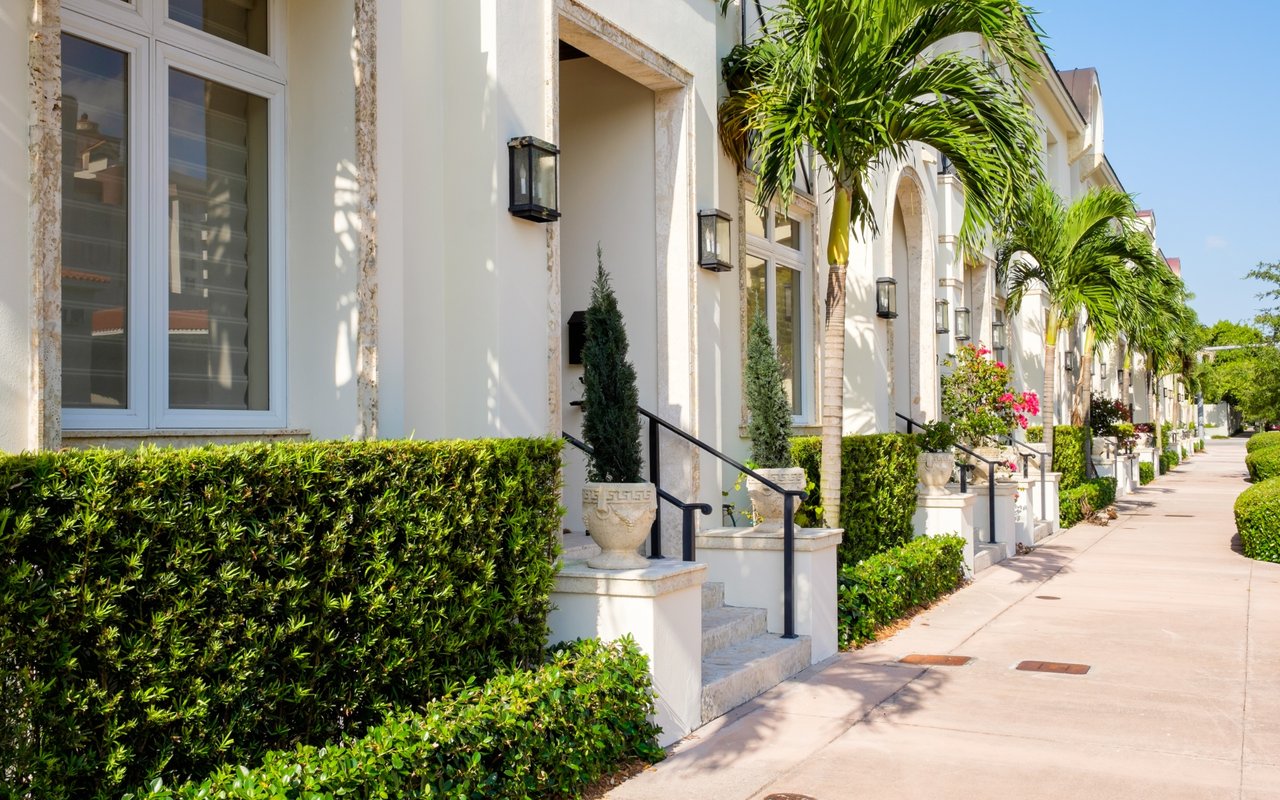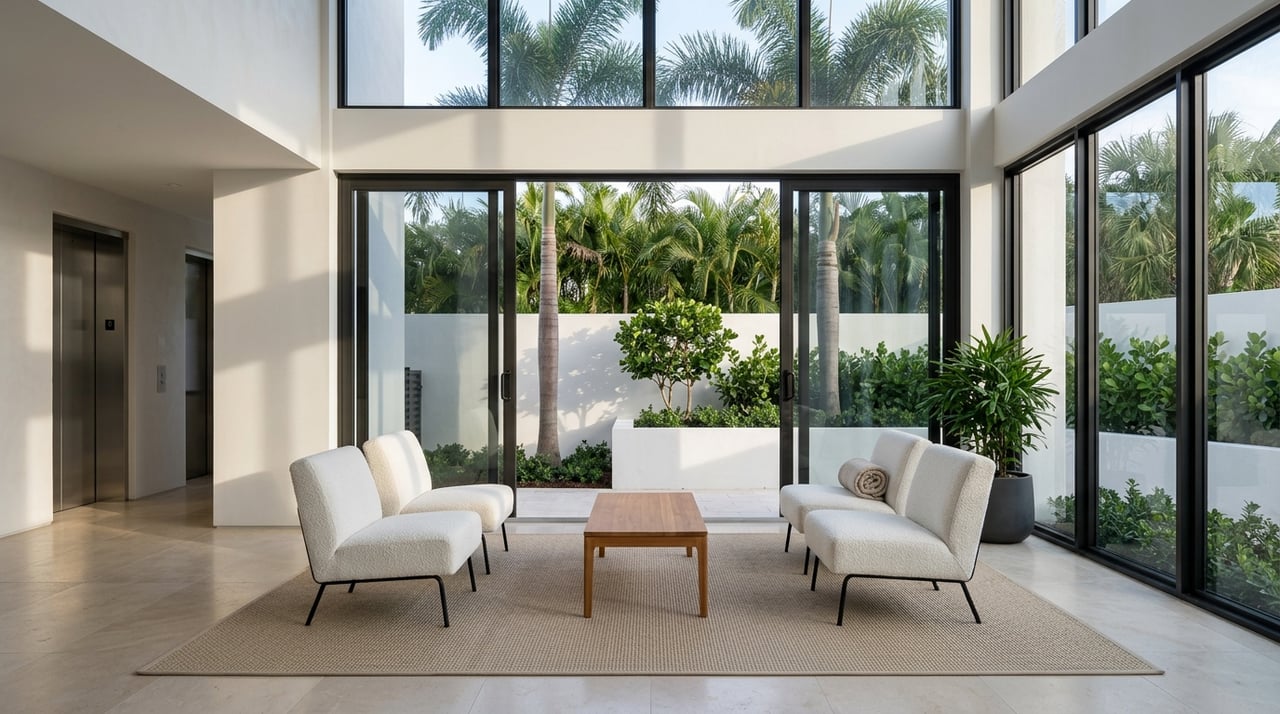
Buying at The Chalfonte can look simple at first glance: oceanfront setting, strong amenities, and the kind of views that make you want to write an offer fast. But in a beachfront condo, the real decision is rarely just the unit itself. If you want to protect your budget, your lifestyle, and your resale value, you need to verify the building-level details before your deadlines hit. Let’s dive in.
Why due diligence matters here
The Chalfonte is an oceanfront condominium at 500 and 550 South Ocean Boulevard in Boca Raton. According to the building’s official site, it consists of twin towers directly on the beach and next to Lake Boca, with 378 total units.
That setting is a major part of the appeal, but it also means buyers should look past finishes and staging. In an older coastal building, your long-term costs and ownership experience can be shaped by reserves, inspections, insurance, and the exact location of the unit within the towers.
Start with the exact unit location
Not every residence at The Chalfonte delivers the same view experience. The property and published listings show a mix of direct ocean views, angled ocean views, and combinations of ocean, Lake Boca, marina, garden, and city views, so the tower, stack, and floor matter a lot.
This is one of the first places where buyers can make an expensive assumption. “Oceanfront building” does not always mean “same value from every line.”
Ask about tower, stack, and floor
Before you focus on cosmetic updates, ask for the precise location of the unit in the building. That gives you a better read on natural light, privacy, balcony exposure, and what you are really paying for.
Key questions to ask:
- Which tower is the unit in?
- What is the exact stack number?
- Is the view direct ocean, angled ocean, Lake Boca, garden, marina, or city?
- Does the view change by floor because of landscaping, pool deck positioning, or neighboring stacks?
Confirm windows, doors, and balcony changes
In a coastal condo, openings and exterior changes matter. You should ask whether the windows and doors are impact-rated and whether any balcony enclosures or exterior modifications were properly approved by the association.
That step helps you avoid issues that could affect insurance, future resale, or association compliance. It also fits a simple buyer rule for oceanfront condos: verify anything tied to the exterior envelope.
Review amenities with a buyer’s eye
The Chalfonte is marketed as a full-amenity building. Its official site lists 24-hour front desk and security, covered and assigned parking, library and business centers, direct private beach access with chairs and lounges, fitness centers, large social rooms with kitchens, oceanside pools with hot tubs, grilling areas, private marina and boat docks, tennis courts, and a guest apartment.
Those amenities can add real lifestyle value, but buyers should still ask how they work in practice. The right question is not just what exists, but what is included, assigned, available, or subject to rules.
Clarify beach access details
Private beach access is a major draw at this property. Still, it is smart to ask exactly what comes with that access so you know what to expect after closing.
Questions worth asking include:
- Is beach access private to residents only?
- Are chairs and lounges included year-round or seasonally?
- Is umbrella service included or optional?
- Are there any additional fees tied to beach setup or use?
Understand boat dockage before you rely on it
The building advertises a private marina with boat docks, and listing data suggests dock space may be rentable from the association when available. That means dockage may not automatically transfer with every condo purchase.
If boating matters to you, this should be part of your early diligence, not something you leave for the end. A dock setup can be deeded, assigned, leased, waitlisted, or subject to separate approval.
Important dockage questions:
- Is the slip deeded, assigned, leased, or waitlisted?
- Is dockage transferable with the sale?
- Are there rules for boat length, beam, draft, electric, water, or insurance?
- What is the process for transferring dock rights at closing?
Ask what was renovated and what still remains
The Chalfonte is marketed as having renovated common areas on its official website. That can be a strong positive, but buyers should not assume that “renovated” means every major capital item is complete.
A better approach is to ask for the scope of work, permits, warranties, and whether any related projects are still unfinished. This is especially important in an older beachfront building, where restoration cycles and deferred items can affect both cost and convenience.
Request the renovation paper trail
When a building highlights upgrades, you want to know exactly what was done and when. That helps separate cosmetic improvements from major systems work.
Ask for:
- The scope of common-area renovations
- Completion dates
- Permit records, if available
- Contractor or manufacturer warranties
- Any remaining or planned capital work tied to those renovations
Review condo documents early
For a Florida resale condo, state law gives buyers the right to receive important association documents. According to Florida Statute 718.503, that package can include the declaration, bylaws, articles of incorporation, rules, annual financial statement, annual budget, FAQ document, milestone inspection summary if applicable, structural integrity reserve study or notice that none has been completed, and other required records.
This is where oceanfront condo buyers can protect themselves in a meaningful way. You should have a Florida condo attorney review the package before your review deadlines expire.
Focus on the financials, not just the rules
Many buyers skim condo documents for pet rules, leasing rules, or renovation restrictions. Those are important, but the bigger risk often sits in the financial pages.
Pay close attention to:
- Current operating budget
- Annual financial statement
- Reserve balances
- Special assessments
- Association loans or lines of credit
- Pending lawsuits or engineering-related claims
Verify milestone inspection status
Because The Chalfonte dates to 1974, milestone inspection compliance should be a central part of your due diligence. Florida law requires milestone inspections for condo buildings that are three stories or higher by the year they reach 30 years of age, with repeat inspections every 10 years thereafter, and local enforcement may require earlier first inspections in salt-water-proximate locations, as summarized in the research provided.
For you as a buyer, the practical question is simple: what has been completed, what was found, and what still needs to be addressed?
Questions to ask about milestone reports
Do not stop at “yes, the inspection was done.” You want the current status and any financial impact tied to it.
Ask:
- Has the most recent milestone inspection summary been completed and distributed?
- Were any phase-two inspections required?
- Were repairs recommended or ordered?
- Were permits pulled for follow-up work?
- Have all required repairs been completed, or are some still pending?
Understand the reserve study and funding plan
The structural integrity reserve study, often called the SIRS, is another major issue in older Florida condos. Under Florida Statute 718.112, the study must address key components such as the roof, structure, fireproofing, plumbing, electrical systems, waterproofing and exterior painting, windows and exterior doors, and other threshold items affecting those systems.
For budgets adopted on or after December 31, 2024, many associations that are required to obtain a SIRS generally may not vote to underfund those reserve items. For buyers, that makes reserve health a direct carrying-cost issue.
Questions to ask about reserves
If the reserves are low, your purchase price may not tell the whole story. Future assessments or higher monthly costs can change the math quickly.
Ask the association or seller for:
- The most recent structural integrity reserve study
- Current reserve balances
- Whether reserves are fully funded, partially funded, or supplemented another way
- Any current or proposed special assessments
- Any association loan or line of credit
- The board’s near-term capital improvement plan
Review insurance responsibility before closing
In a beachfront condo, insurance is never something to leave for the last week. The City of Boca Raton notes that residents should consider flood insurance whether or not the property is in a Special Flood Hazard Area and explains that federally backed flood coverage is available through the NFIP.
For a unit owner, the key issue is understanding the line between the association’s master policy and your own policy responsibilities. You also want to know whether windstorm or hurricane deductibles could materially affect your out-of-pocket risk.
Insurance questions buyers should ask
Before closing, confirm:
- What the association master policy covers
- What deductibles apply under that policy
- Whether windstorm or hurricane deductibles are unusually high
- What you will need to insure under an HO-6 policy
- Whether flood coverage for contents or interior improvements makes sense for your situation
A simple Chalfonte due diligence checklist
If you want to stay organized, here is the short version of what matters most at The Chalfonte:
- Verify the tower, stack, floor, and actual view line
- Confirm impact-rated windows and doors, plus any approved exterior changes
- Clarify beach access details and what is included
- Determine whether dockage is deeded, leased, assigned, or waitlisted
- Request the full condo document package early
- Review the milestone inspection summary and any follow-up work
- Review the structural integrity reserve study and reserve funding
- Ask about special assessments, loans, and pending capital projects
- Confirm master insurance coverage and your likely HO-6 responsibility
- Review all condo documents with a Florida condo attorney before deadlines expire
Final thoughts for buyers
At The Chalfonte, the smartest buyers look beyond the kitchen and the view for a few hours and focus on the ownership picture for the next few years. The exact stack, the dock arrangement, the inspection file, reserve funding, and insurance structure can all affect what this purchase really costs and how comfortable you feel owning it.
That is where a transparency-first process matters. If you are considering a condo at The Chalfonte and want help pressure-testing the unit, the building, and the numbers, you can schedule a free consultation with Maximo Cortese.
FAQs
What due diligence questions should buyers ask at The Chalfonte?
- Buyers should ask about the exact tower, stack, floor, and view; the status of milestone inspections and reserve studies; any special assessments; dockage rights; and what the association’s insurance policy covers.
Why does the stack and floor matter at The Chalfonte?
- The stack and floor can materially change your view, privacy, light, and even value, since published information shows units can have direct ocean, angled ocean, Lake Boca, marina, garden, or city outlooks.
Does buying at The Chalfonte automatically include boat dockage?
- Not necessarily. Research indicates dock space may be rentable from the association when available, so buyers should confirm whether dockage is deeded, assigned, leased, waitlisted, or transferable with the sale.
What condo documents should buyers review for The Chalfonte?
- Buyers should review the declaration, bylaws, articles, rules, annual budget, annual financial statement, FAQ document, milestone inspection summary if applicable, and the structural integrity reserve study or notice that none has been completed.
Why is the milestone inspection important for The Chalfonte buyers?
- Because The Chalfonte was built in 1974, buyers should confirm the current milestone inspection status, whether any phase-two work was required, and whether any recommended repairs are complete or still pending.
What insurance questions matter when buying at The Chalfonte?
- Buyers should ask what the association’s master policy covers, what deductibles apply, whether there are significant windstorm or hurricane deductibles, and what personal coverage they will need through an HO-6 policy.