Thinking about selling your Spanish Village home but not sure what today’s buyers expect? You are not alone. Many homes in this East Boca pocket were built mid-century with stucco walls and tile roofs, which creates a specific prep plan when you go to market. In this guide, you will learn exactly which inspections to line up, what to repair vs refresh, realistic timelines and costs, and how to present your home so buyers feel confident from the first showing. Let’s dive in.
Why Spanish Village is unique
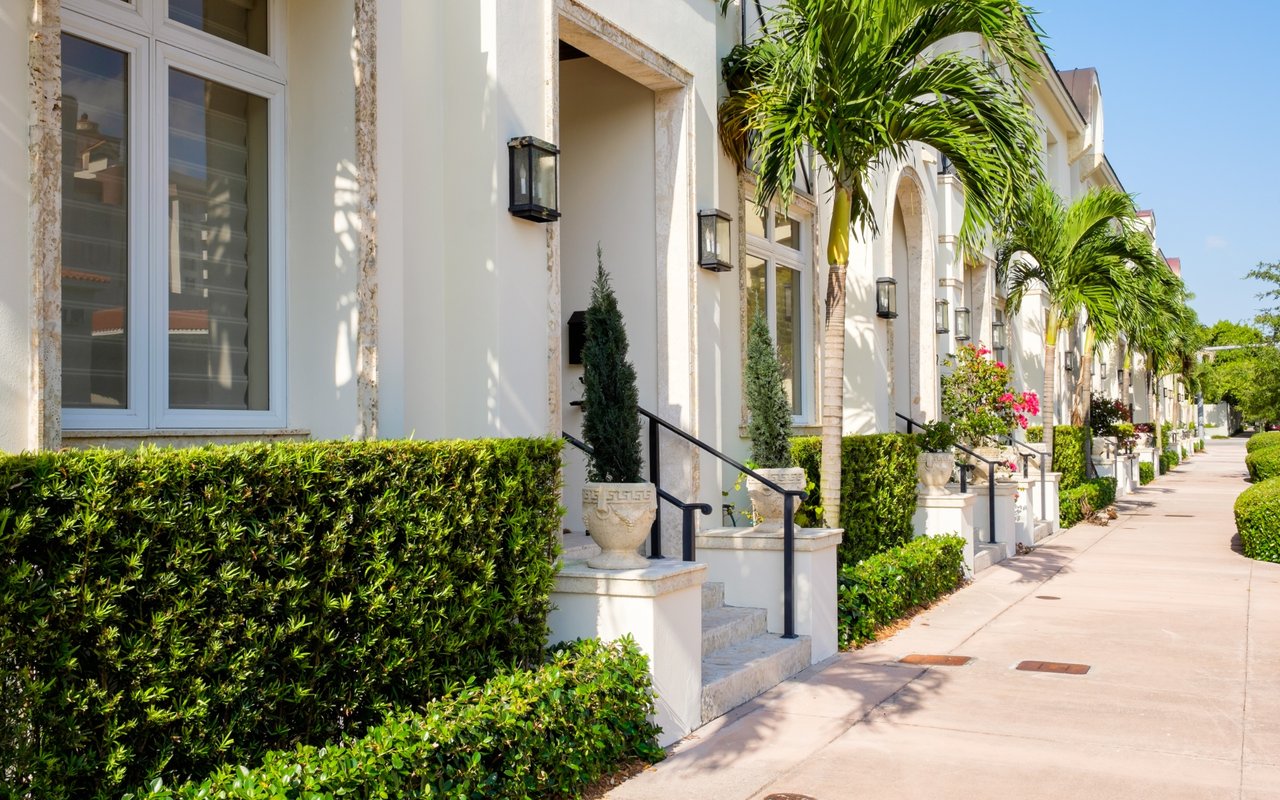
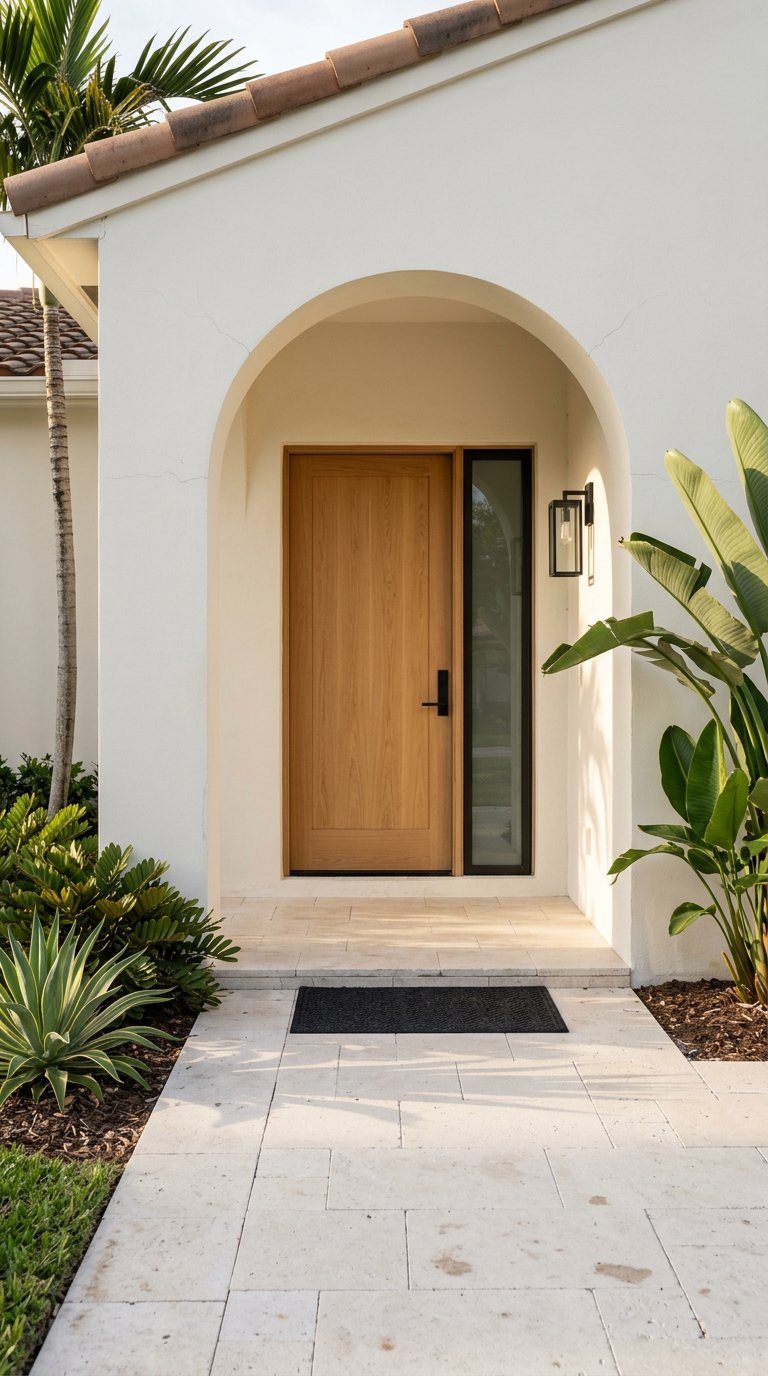
Spanish Village is a small, established neighborhood of mostly mid-century homes in East Boca. Many properties feature concrete-block construction with stucco exteriors and clay or concrete tile roofs. That vintage charm is part of the appeal, but it also means certain items tend to come up during inspections. Local planning records identify Spanish Village as a built-out municipal residential neighborhood, which reinforces the limited inventory and the need for a focused prep plan before listing. You can review neighborhood context in local planning records for background on built-out residential areas in Palm Beach County’s municipalities (see county planning listing).
What today’s buyers expect in East Boca
Most buyers in this area want a home that feels move-in ready, even if it is older. They look for solid mechanicals, clean inspections, and a simple path to insurance. They also value hurricane protection or documented wind-mitigation features that can help with insurance costs (Florida Office of Insurance Regulation wind-mitigation overview). Your plan should balance safety and insurability with smart cosmetic updates.
Inspections and insurance that drive deals
Lining up the right inspections before listing helps you remove surprises and protect your net. Here are the big items that tend to shape offers in Spanish Village.
Stucco and moisture
Older stucco can hide moisture intrusion behind the surface. Early signs include hairline cracks, efflorescence, or bulging. If you see these, consider a stucco specialist or moisture assessment because findings can lead to significant repair discussions with buyers. Learn how pros diagnose common stucco issues and why they matter to transactions (stucco problem overview).
Tile roofs and roof certifications
Tile roofs often last for decades, but underlayment and flashing are the weak points. Slipped or cracked tiles and poor flashing at penetrations often show up on inspection reports. A recent roof inspection or roof certification can smooth underwriting and take a major hurdle out of the way. Replacement costs for clay or concrete tile roofs in Florida commonly land in the low-to-mid five figures depending on size and complexity (Florida roof cost guide).
Termites and WDO reports
Wood-destroying organism (WDO) inspections are common in Florida transactions, and some loans and insurers require them. If there is an active infestation, plan to treat and repair affected areas before listing or be ready to negotiate credits. A pre-listing WDO can reduce risk and help you control the timeline (why WDOs matter).
Plumbing and electrical red flags
Mid-century homes can include cast-iron drains, galvanized supply lines, or older electrical components that draw attention from insurers and appraisers. If you know these materials are present, budget for potential repairs and be transparent with buyers. Early identification helps you decide whether to fix now or price accordingly (inspection notes on older systems).
HVAC expectations
In South Florida, buyers expect a reliable, efficient A/C. Systems near or beyond 12 to 15 years can trigger replacement requests or credits. A full replacement often falls in the low five figures depending on size and ductwork. At minimum, schedule a professional service and coil cleaning before showings and keep maintenance records ready (A/C cost ranges and planning).
Pools and outdoor spaces
If your home has a pool, buyers will look at equipment age, surface condition, and screen enclosure. Clean water, a tidy deck, and proof of recent service create trust. Confirm that gates, alarms, or other safety items work as expected.
Permits, disclosures, and flood questions
Florida now requires a seller flood disclosure at or before contract execution, so gather your flood and claim history up front (Florida flood disclosure statute). Also, confirm whether any past work was permitted, especially enclosed patios, garage conversions, or electrical and plumbing changes. You can check permit histories through the City of Boca Raton’s online resources (City permit and records portal). Clear documentation makes underwriting and appraisals smoother.
Decide what to fix vs refresh
Use a simple rule set to pick projects that add value and skip those that do not.
Fix items that block financing or insurance
Repair or replace anything that will prevent a buyer from getting a mortgage or binding insurance, or that presents a safety hazard. In Spanish Village, this often means active termite treatment, a roof certification or targeted roof repairs, and addressing an A/C that is not cooling properly. These are the items that can stall your sale if left unresolved (WDOs and deal impact).
Refresh for perception and speed
Focus on high-ROI cosmetics that make your home feel move-in ready without heavy construction. Consider:
- Fresh neutral interior paint
- Decluttering and closet organization
- Simple landscaping and pressure cleaning
- Minor kitchen and bath touches like hardware, lighting, a backsplash, or mirror swaps
These projects usually cost far less than price reductions and help your photos and showings pop. Industry guidance supports modest refreshes for better marketability and perceived value.
Documentation beats guessing
If you decide not to do a big-ticket project, be transparent. Collect permits, contractor invoices, warranties, service logs, a roof certification if available, a recent WDO letter, and your written disclosures. Organized documentation reduces buyer anxiety and legal risk and can keep more buyers in the deal.
A 6 to 18 month prep plan
A simple timeline keeps you on track and avoids last-minute stress.
Months 0 to 2: Assess and plan
- Order targeted pre-listing inspections: general home inspection, WDO, a roof visual or certification, and 4-point plus wind mitigation if your home is more than 20 years old. These reports help you anticipate lender and insurer needs (wind mitigation basics).
- Pull permit history and gather service invoices. Use findings to set your budget and decide what to repair versus disclose.
Months 2 to 6: Complete high-impact work
- Handle items that affect insurability or loanability first: termite remediation if needed, roof repairs or certification, and A/C repair or replacement if failing. If you intend to highlight wind-mitigation features, complete the form during this window.
- Tackle high-ROI cosmetics and staging: paint, curb appeal, minor kitchen and bath refresh, lighting updates, and organization.
Months 6 to 18: Larger projects or price strategy
- If you plan major changes like a full kitchen remodel, structural work, or extensive stucco repair, schedule permits and contractors early and monitor timelines. Balance cost against likely value in your specific comp set.
- If you prefer a faster sale without major renovations, price to reflect needed work and be prepared to offer fair credits during inspection.
Budget planning: common cost ranges
Every home is different, but planning numbers help you set expectations and avoid surprises:
- Tile roof replacement: often about 12,000 to 30,000 dollars or more depending on size and complexity in Florida (roof cost reference).
- Stucco repair: small patches can be modest, while more extensive moisture remediation and re-stucco projects can climb into five figures depending on scope.
- A/C replacement: roughly 4,000 to 12,000 dollars based on capacity, efficiency, and ductwork needs (A/C cost planning).
- WDO inspection and treatment: inspections are typically a few hundred dollars, with treatment and any structural repairs based on findings (why WDOs are standard).
Get quotes from licensed local contractors before committing to large projects. Use those written quotes to refine list price strategy and disclosures.
Staging and showing tips that work in East Boca
Your goal is to make buyers feel the home is cared for, efficient, and simple to insure.
- Pre-list paperwork: have your inspection reports, wind-mitigation form, roof certification, and WDO letter ready to share during showings or upon request. These cut down on back-and-forth and build confidence (wind-mitigation form context).
- Climate and comfort: keep the home at 70 to 75 degrees for showings, service the A/C in advance, and ensure clean filters and vents.
- Curb and outdoor spaces: refresh landscaping, power wash walkways, tidy the pool and deck, and make sure screens and gates function.
- Photography and flow: highlight indoor-outdoor living, natural light, and privacy in your listing photos. Remove personal items and bulky furniture to open rooms.
Keep it legal and reduce risk
Florida’s new flood disclosure must be provided at or before contract execution. Have your flood and claim history ready and be prepared for buyer questions about drainage and past events (Florida statute on flood disclosure). Confirm any prior work is permitted and closed out where required. The City’s records portal is the right starting point for permit lookups and documentation you can share with buyers and underwriters (City of Boca Raton records).
How pricing works in Spanish Village
Inventory here is limited and each property is unique, which means individual comparable sales matter more than neighborhood medians. Condition, permitted improvements, roof and A/C age, wind-mitigation features, and quality of documentation can change buyer demand and appraisal outcomes. Partner with a local expert to align your repairs and refreshes with the comps that will most influence your price and days on market.
Ready to build a customized prep plan for your home and timeline? Schedule a free consultation with Maximo Cortese to map repairs, staging, pricing, and launch strategy so you can sell confidently and protect your bottom line.
FAQs
What inspections should I order before listing my Spanish Village home?
- A general home inspection, WDO, roof visual or certification, and 4-point plus wind mitigation if the home is over 20 years help surface loan and insurance issues early.
How does Florida’s new flood disclosure affect my sale?
- You must provide a seller flood disclosure at or before contract, so gather flood history and claims information in advance to answer buyer and insurer questions.
Do I need to replace an older tile roof before selling?
- Not always; a clean roof certification and targeted repairs can satisfy many insurers and lenders, but replacement may be wise if underlayment or flashing is failing.
Should I remodel my kitchen before listing in Spanish Village?
- Often no; focus on high-impact refreshes like paint, lighting, hardware, and staging unless comps support a clear premium for a full remodel.
What documents should I have ready for buyers and insurers?
- Permits and close-outs, contractor invoices and warranties, roof certification, wind-mitigation and 4-point reports, WDO letter, A/C service records, and your written disclosures.